
How Good Website Design Improves Customer Experience
Good design is not decoration. It is the quiet engineering that makes customers feel competent, respected and ready to buy.
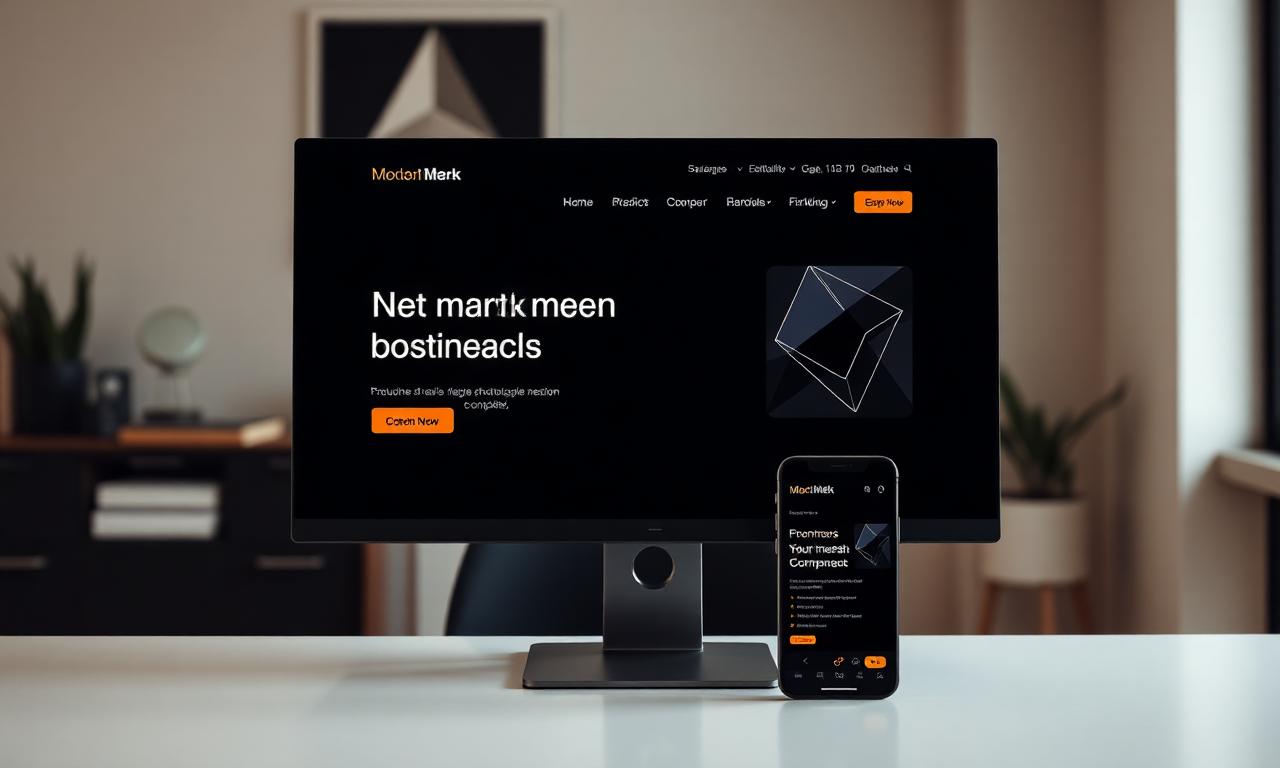
Customer experience is usually framed as a service problem. In reality, it begins long before anyone speaks to your team — in the first few seconds of your website. Good design quietly removes friction, sets expectations and makes people feel looked after. Bad design does the opposite, regardless of how good your service is once they get through.
Clarity is kindness
Every confusing element on a website asks the visitor to do unpaid work. Vague headlines, hidden navigation, unclear calls to action — each one is a tiny cost paid by the customer. Pile enough of them up and people give up.
Clear hierarchy, plain language and obvious next steps are how design respects a visitor's time.
Speed is respect
A fast site is a polite site. It says 'we know your time is valuable'. A slow site says the opposite, even when the words are perfect.
Consistency builds confidence
Customers feel safer with brands that look the same everywhere — website, social, email, invoice. Visual consistency is interpreted as operational consistency. The brain assumes that a business that pays attention to detail in its design pays attention everywhere else too.
- The same colour palette across every touchpoint
- Typography that does not change page to page
- Tone of voice that sounds like the same human throughout
- Imagery style that matches across services and channels
“Customers do not consciously notice consistency. They consciously notice the absence of it.”
Accessibility is just good design
Sites built with accessibility in mind — proper contrast, generous tap targets, clear focus states, real semantic HTML — are easier to use for everyone, not just users with specific needs. The unintended consequence is consistently better conversion across all audiences.
Anticipating the next question
Great design thinks one step ahead. After someone reads about a service, the next question is usually 'how much?' or 'what next?' — and the page should answer both before the visitor has to ask. Each unanswered question is a chance to lose them.
The experience after the click
Design does not stop at 'submit'. Confirmation pages, follow-up emails and the first reply from your team are all part of the experience. A polished site that hands off to a sloppy auto-reply undoes most of its own work.
Frequently asked questions
Keep reading
All blogs Conversion Optimisation
What Makes a Professional Website Look Trustworthy?
Trust is built in seconds and lost in milliseconds. These are the design and content signals that quietly decide whether visitors stay or bounce.
 Business Growth
Why Your Small Business Website Is Your Best Salesperson
Your website never sleeps, never has an off day and never forgets the pitch. Here is how to make it work harder than your best employee.
 Web Design
7 Signs Your Business Website Needs a Redesign
If your website is doing any of these seven things, it is costing you customers — and the longer you leave it, the more expensive it gets.